Service Procedure
Step 1 - Visual Inspection:
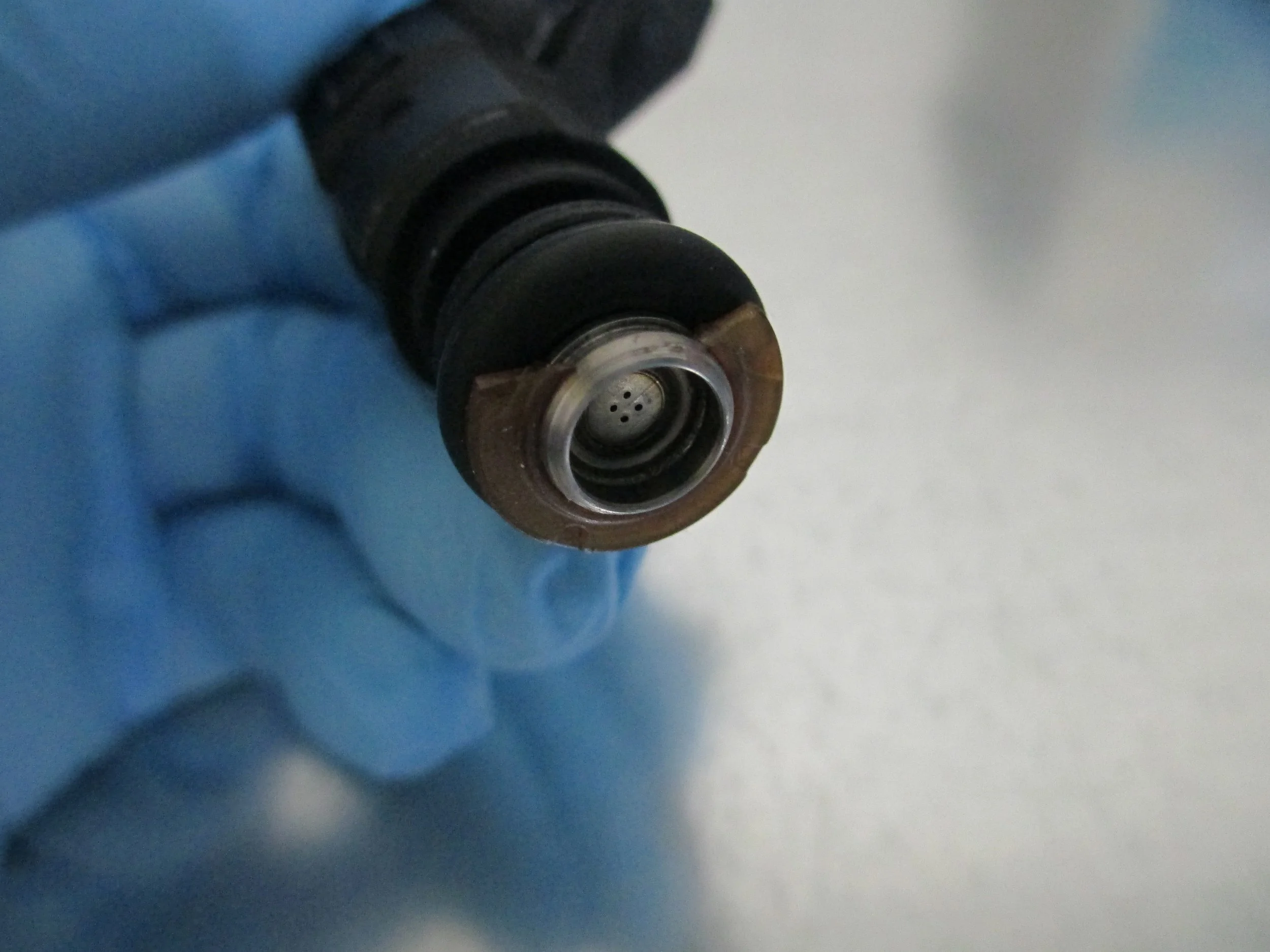
Injectors are first visually inspected for any cracks, missing or broken pieces. Please package injectors carefully! We have had numerous instances where injectors arrive broken from bad packaging. Check out our video section for examples of what happens when the injectors take damage in shipping.
Step 2 - Basic electrical testing:
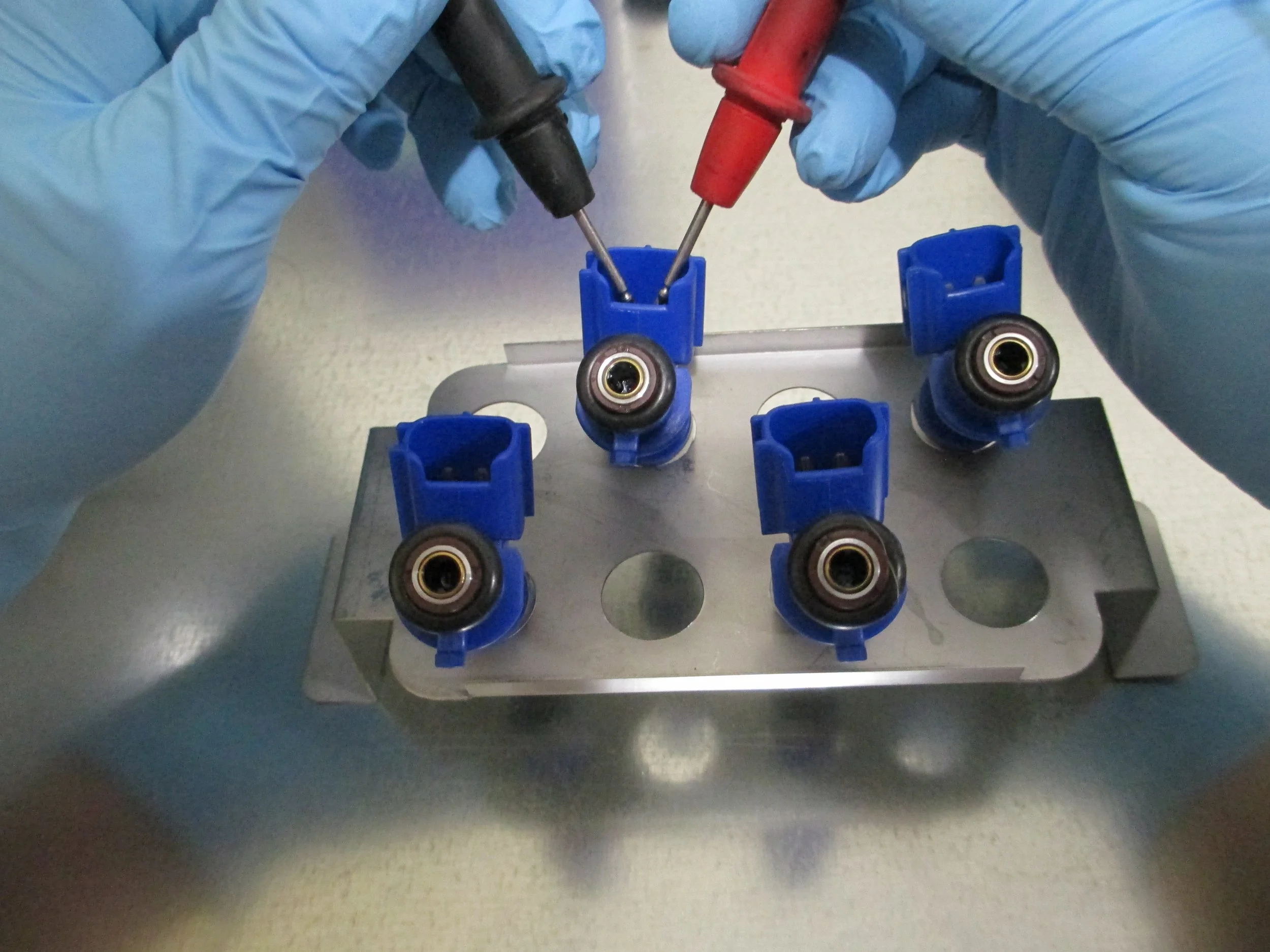
Following the basic inspection, the injectors are move on to an electrical test. This test verifies the resistance of the internal coil. Proper results as a standard are generally within 10% of each other.
Step 3 - Leak Testing:
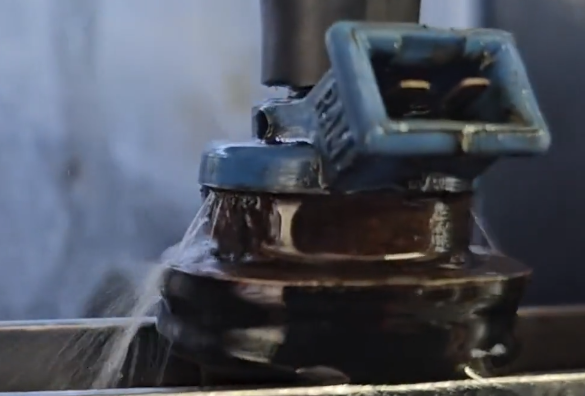
Following the electrical test, leak down tests on the injectors are performed. The injectors are tested various pressures without pulsing them. This pressure test will detect any blatant leak at pressure. If you’re experiencing drips from the at pressure, we confirm it here. An example of a body housing leak video is here. Or another one here.
Step 4 - Dynamic Inductance Testing:
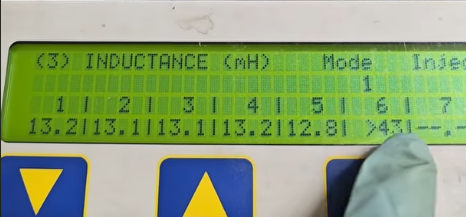
After leak down testing, the injectors are dynamic inductance tested. This test checks the health and performance of the electromagnetic coil inside the injector while it is actively operating under real-world simulated engine conditions. Here is a video of an injector failing dynamic inductance testing.
Step 5 - Flow Pattern Inspection and flow volume measurement:
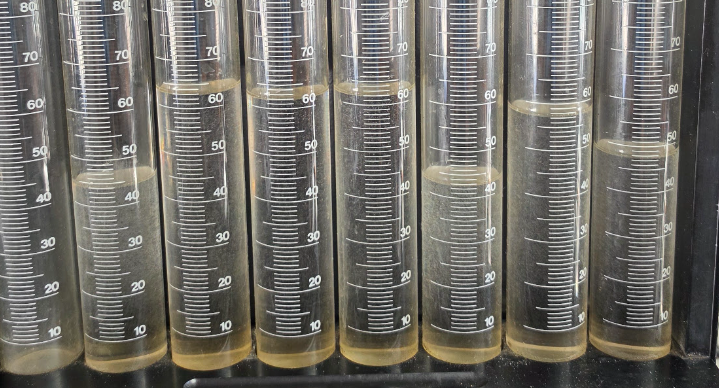
This is what most people envision from injector testing. We inspect the spray pattern and also measure the total volume (cc’s or lb/hr) of the injectors in its current state. This will allow us to test if an injector is partially clogged or having issues. There are videos shown on bad spray patterns and general flow patterns here on our videos page.
Step 6 - The cleaning starts:
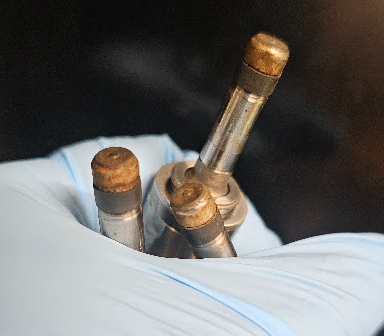
At this point in the process injectors are stripped of any o-rings, seals, pintle caps, and filters that can be replaced. For GDI injectors, we also replace and compress all Teflon seals.
Step 7 - External Body Cleaning:
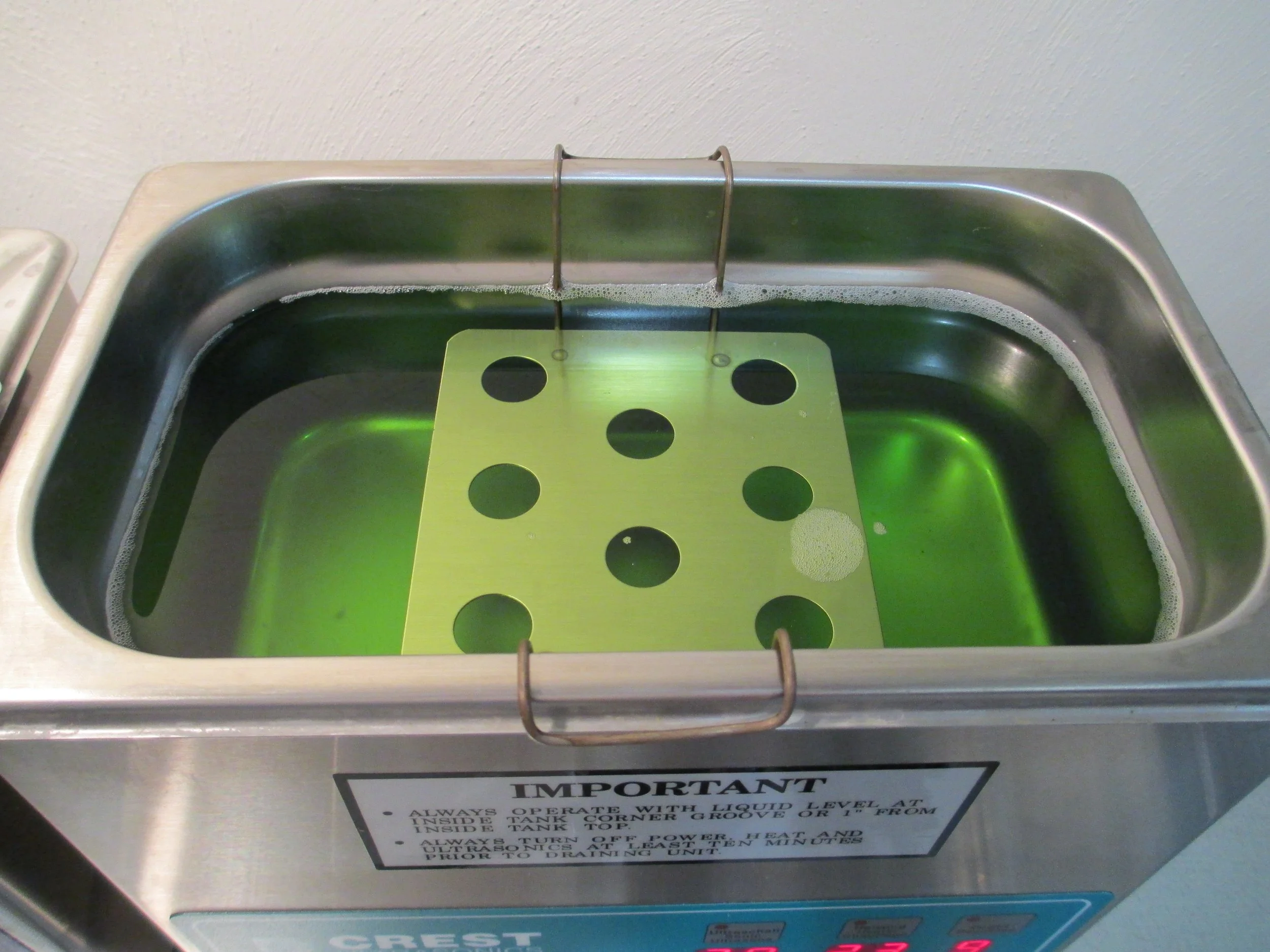
The next step is to clean the outside body of the injector. Plastic bodied injectors are run through brushed off for excess grime, run through a light parts cleaner and then treated in a ultrasonic tank. For aluminum bodied injectors, after cleaning they are media blasted to clean the bodies.
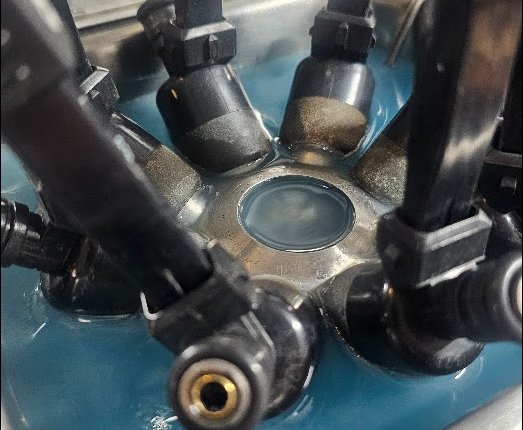
Step 8 - Internal Injector Cleaning
After the external cleaning, we move onto the next stage of cleaning which is the internal part of the injector. Carbon or ethanol buildup typically happens within the injector. This part of the process pulses the injectors at various rates within the solution to break apart all the contaminants and get your injectors clean.
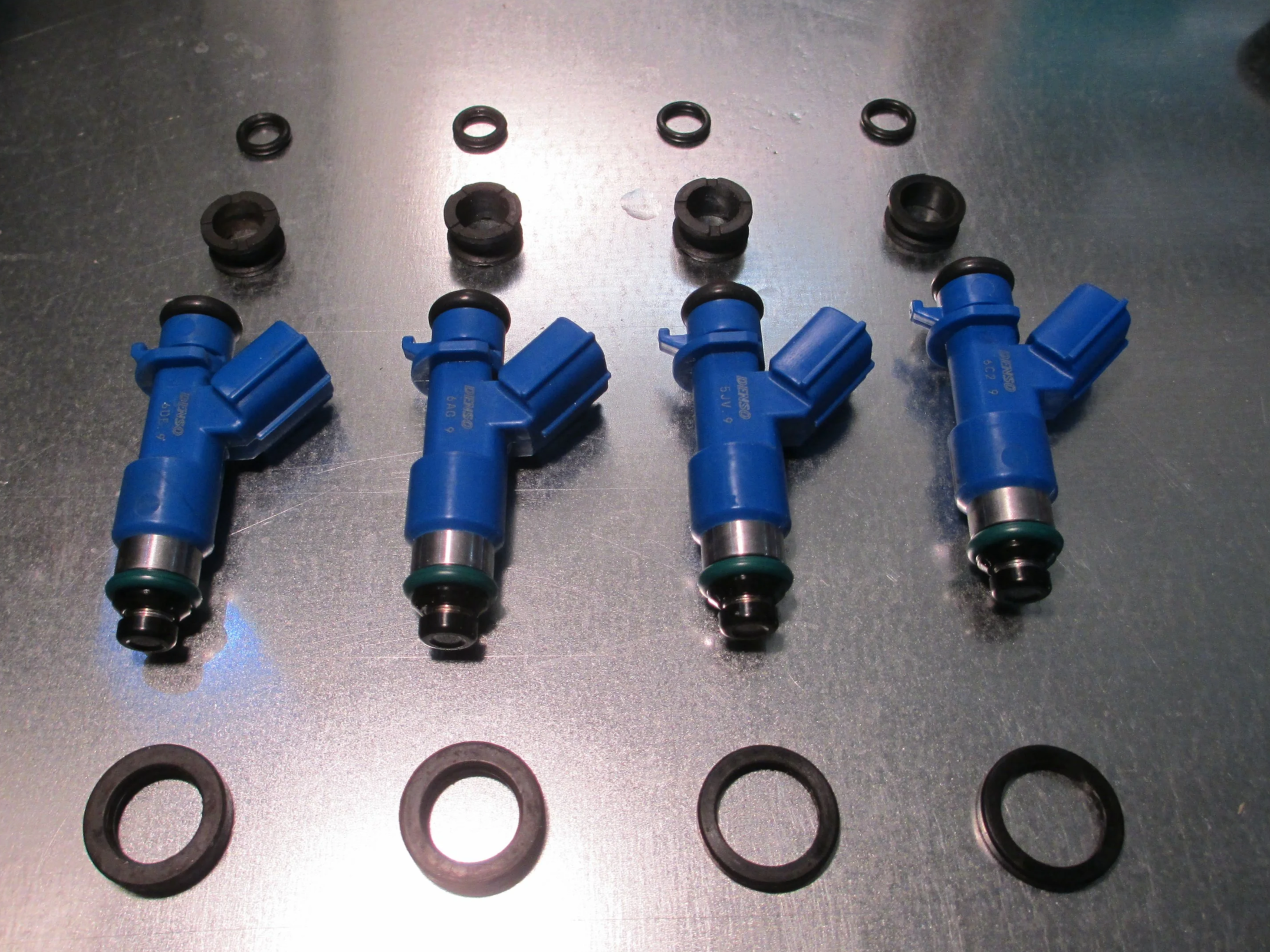
Step 9 - Reassembly of seals:
After each injector is cleaned inside and out, all seals, grommets, pintle caps, teflon seals and filters are replaced according to individual manufacturer specifications.
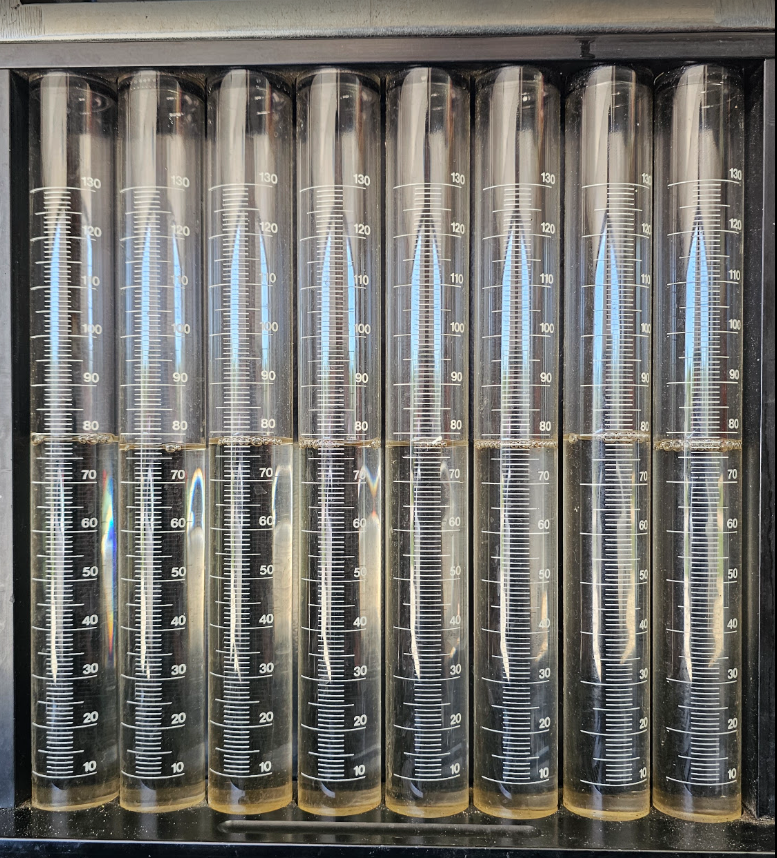
Step 10 - Re-verification of results post-cleaning:
Once the injectors are reassembled, we re-verify the cleaning results by repeating 3, 4, and 5. This allows us to verify the cleaning process took place as the dynamic inductance will always improve and this also confirms any changes to trouble injectors.
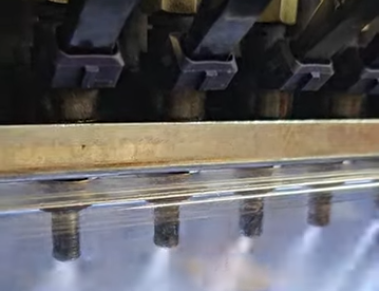
Step 11 - Injector Engine Simulation:
Once the injectors are verified at 100% duty cycle, we go one step beyond and do an engine simulation test on the injectors. This test runs the injectors at various pressures, duty cycles, and rpms. Going through this will verify the injectors as a system are good to go. This is where Injector Pulse shines. We race and expect the best. You should as well. If the injectors do not pass our strict criteria, we re-clean and keep going until they pass or are deemed not-for-race application.
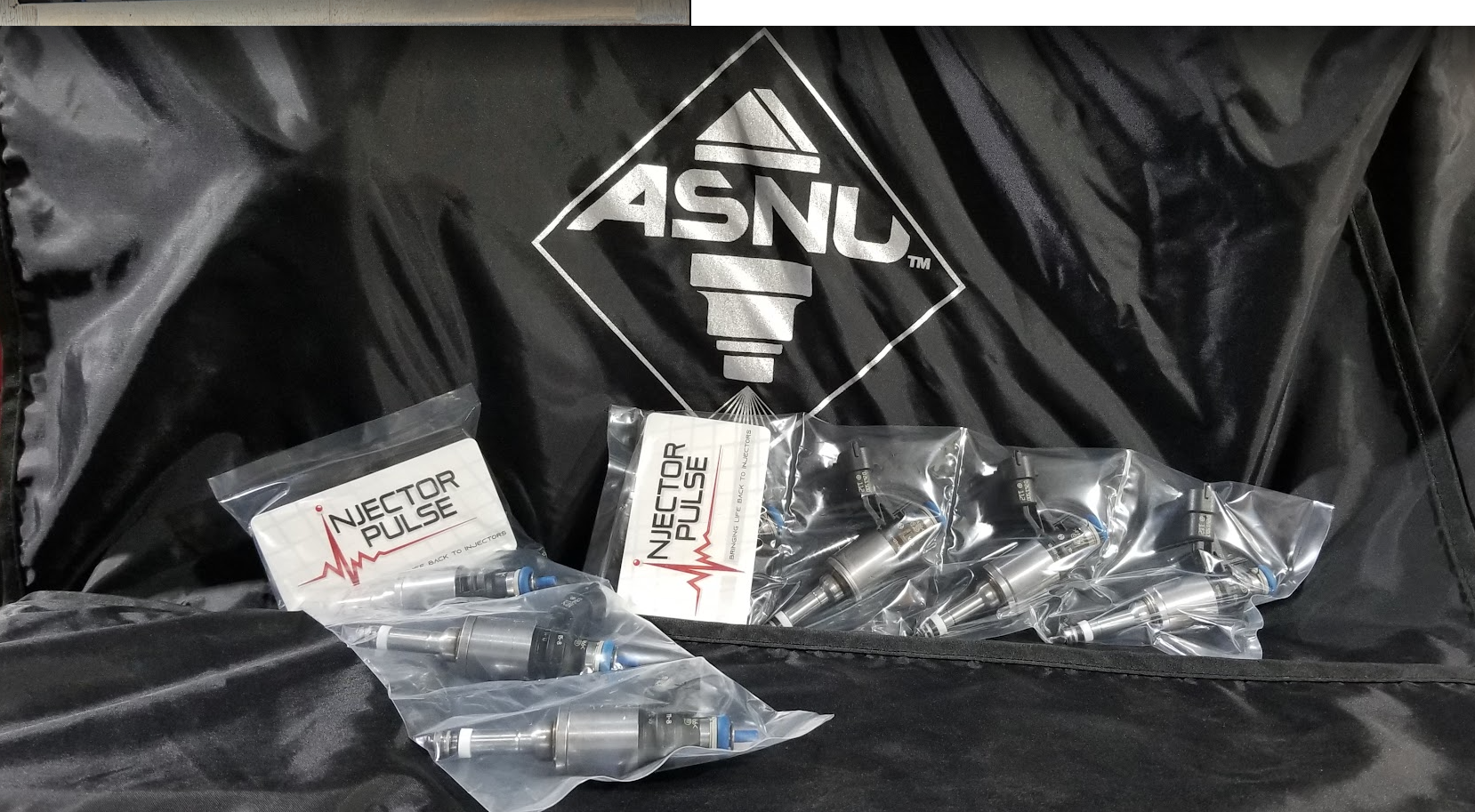
Step 12 - Packaging, shipping, and results:
Last step is packaging and shipping. We seal the injectors and package them up carefully to ensure proper delivery and flawless installation within your vehicle. We also send you a pdf of your results for how the injectors tested throughout the whole process.
Quick visual link of the process is here on our Instagram page as well.